Artificial Intelligence | 12 Oct 2026
How Multi-Agent AI Systems Can Automate E-commerce Operations
Learn MoreOperators relied on outdated control panels with fragmented monitoring and limited visibility. We built a web-based SCADA platform that unified real-time control, intelligent alarms, and a powerful HMI editor in a single browser interface.
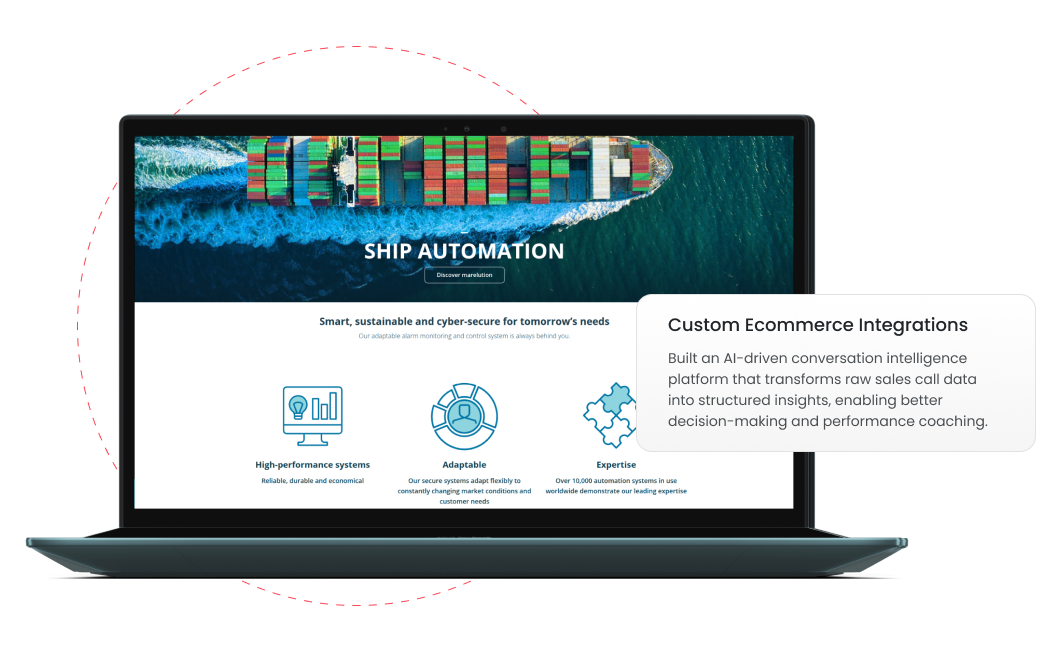































































The vessel fleet relied on legacy control systems where alarms were scattered across hardware panels, process data lived in isolated PLCs, and any change to a monitoring screen required the original equipment vendor. Operators had no unified view of what was happening across engine and deck circuits, and maintenance teams worked from paper schematics.
Replace legacy vessel monitoring with a browser-based SCADA platform featuring real-time alarm management across engine and deck circuits, interactive process mimic pages, a built-in drag-and-drop HMI editor, and historical trend analysis with live PLC synchronization.


Operators get a focused HMI with live process mimics that update instantly via MQTT. Alarms are organized by circuit with one-click acknowledge, suppress, and fade-out actions. Administrators get a full project editor where they can drag components onto canvas, link them to PLC objects, and publish changes without restarting any system or calling a vendor.

The platform's intelligence layer goes beyond traditional SCADA. A conversational chatbot lets operators query system status in natural language instead of navigating through alarm trees. Alarm prioritization uses historical patterns and severity context to surface what matters first, while predictive trend analysis flags recurring faults before they escalate into unplanned downtime.
Get Started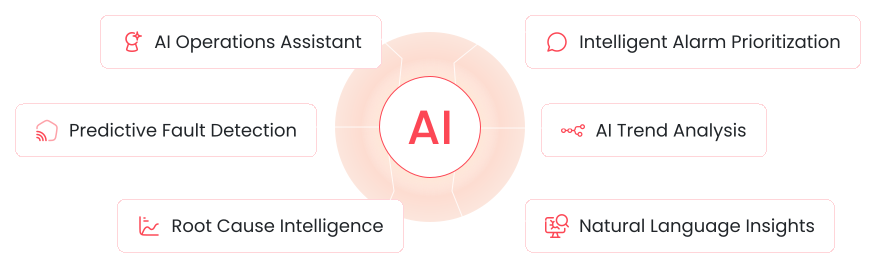
The HMI needed to reflect PLC state changes instantly across dynamic SVG process maps. Any visible lag between a valve opening and the screen updating would undermine operator trust.
Every layout change previously required the original vendor. The new editor had to support drag-and-drop component placement, PLC object linking, and live publishing without system restarts.
Engine and deck circuits generated hundreds of simultaneous alarms during fault cascades. Without intelligent filtering and prioritization, operators could not isolate the root cause from downstream noise.
The platform had to maintain 99.9% uptime on vessel-grade hardware with limited connectivity, running PostgreSQL replication and Redis caching under conditions where network drops are routine.

Multi-threaded Python backend with PostgreSQL replication, Redis state caching, and service watchdogs designed to recover silently from network interruptions and hardware faults.
SVG-based process mimics subscribe to live PLC data over MQTT WebSockets, reflecting valve positions, pump states, and tank levels the instant they change.
Built-in project editor with magnetic snapping, layer management, keyboard shortcuts, and direct PLC object linking eliminates vendor dependency for every screen modification.
InfluxDB time-series storage with smart sampling and gap detection powers historical trend pages that surface patterns across millions of recorded measurements.
Our Custom Industrial Automation Services deliver control systems built for your specific operational environment, not repurposed from generic templates.
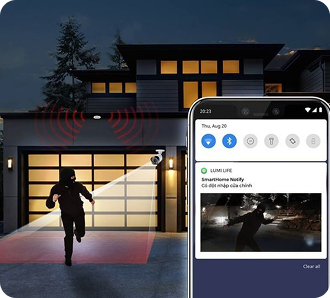
Dual-circuit alarm system with acknowledge, suppress, and fade-out controls, severity-based filtering, and full audit trails for every operator action.
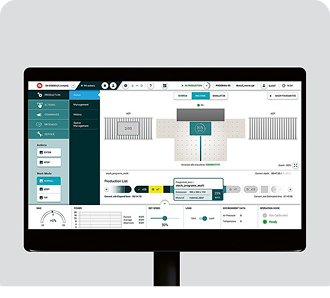
Canvas-based designer with genie components for pumps, valves, tanks, and motors, each linking directly to PLC objects via OPC-UA with live preview.
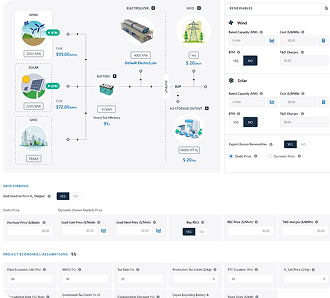
Pre-built industrial components with faceplate dialogs, configurable parameters, microhandling controls, and real-time status display tied to PLC data types.
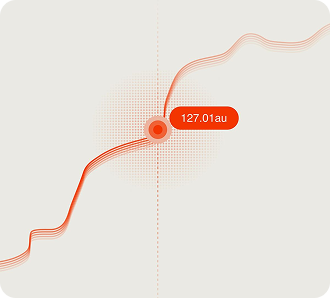
Interactive time-series graphs with multi-point comparison, smart sampling for large datasets, and gap detection to flag data collection interruptions.
Very good job ! Mehul is a very professionnal Person. Very satisfy by his work !

Very professional digital agency, who we will definitely work with in the future.

Mehul and his team are serious and reliable professionals. They immediately understood the goal of the project and completed the work on time and within the established budget. It was a great collaboration experience.

We have been very lucky to have found Mehul and his team for our projects including the relaunch of our website, the redesign of our presentation. Mehul and his team are communicative. Mehul speaks very good English and coordinates every step in the projects. Not only does he implement our wishes and ideas, but also he brings in his ideas and suggestions that make the whole result very satisfying. We are very happy with the result Mehul and his team delivered.

Rainstream Technologies has been a highly efficient partner for the client, finishing tasks faster than the agreed timeframe. They demonstrate smooth communication flow despite the time differences. Customers can expect a development team that is quick to respond and resolve issues.

Mehul did a great job for us. Easy to work with and efficient. Thank you !

Super team to work with. They delivered everything they promised. Highly recommend them for the work quality and communication.

Nice design, Good communication, Hard worker, satisfied all requirements.

I highly recommend Rainstream Technologies of Mehul J to work because he does an incredible job of building a Multi-School Management System for me. He is very respectful, honest, reliable, flexible, and communicative. Mehul is the type of developer you need on your team.

I decided to hire Mehul after carefully screening several developers for my project of building a web application. He was very cooperating during screening process and gave me the trust that he would be capable of delivering the project according to all requirements. The project turned out to be much more complicated than expected, and Mehul solved all technical challenges that we faced (both backend and frontend). His philosophy that "everything is possible" gave me the trust that the final application would be 100% according to my expectations. Communication has also been very good and effective during the project. I would highly recommend Mehul for any web application project, and I will likely hire him in the future as well.

They understood the scope immediately and tirelessly work through all the issues that arose. Very professional. I have no hesitation in recommending their services.

We have worked with Mehul and Rainstream Technologies for over 6 years and have been very satisfied. They are highly professional and always hard working. They strive to get the job done fast and they always stand behind their work 100%. I highly recommend Rainstream Technologies for any development project.

I'm thrilled to recommend Rainstream Technologies for projects of any size. They not only delivered a final product that surpassed my expectations, but they were also incredibly supportive throughout the entire process. Whenever I encountered an issue, they were readily available to assist and ensure everything was resolved promptly. I already have another active project with them.. This is for sure long partnership! Rainstream Technologies has been my goto company for any development work. They always deliver quality work!

They did a great job and excelled with their abilities. We got exactly what we wanted within a good timeframe and our budget. The communication was fluid and also very kind all the time. Really recommended!! Thank you!

Good job, friendly and fast communication, top experts.

I work very good and even my language is not English he showed professional to improve communication to be able to get the all information from myself. I liked very much and the job I received was exactly as I wanted to be. Thanks !

He released a perfect task, very high quality. The collaboration level has been excellent and he is extremely skillful! Recommended!!

Very good help, Mehul also advised me well as an older man and showed me the right hoster and payment processor.

Best freelancer I've deal with.

Mehul and his team were very professional and their work was to the highest standard. the website was done exactly how I wanted and he provided training for me to work each step behind the scenes.
I had a great experience with RainStream Technologies. The team was professional, responsive and easy to work with. They understood my needs, delivered quality work on time, and communicated clearly throughout the project. I'm very happy with the results and would gladly work with them again.

I have worked with Mehul and his team for over two years to support the development of my app (LAMP stack) and my experience has been great. They are very responsive, professional, and execute exceptionally.
Had a chance to work with the team on my Hotel management system and the team was able to achieve the goal before given timeline.
Rainstream Technologies was able to solve some issues that couldn't be solved by other developers. They made the difference by really diving into the issue and finding their own way into solving it. We gladly continued working with them until we came to a first version witch which we're really happy. We have new projects on our future timeline and are really looking forward to work with them again. Our platform had some issues and we went through 2 developers already trying to fix it. Rainstream Technologies was the first to actually investigate and thoroughly understand the issues in order to fix them. I continued working with them for further development and have not regretted this for one second. Will continue to work with him in the future.

Mehul was great to work with on our SEO project. Great communication, fantastic insights into search engine optimization and organic growth, very responsive, and overall very easy to work with. His SEO strategy, attention to detail, and project management were outstanding, and I’d gladly work with him again.

Excellent web development service with professional communication and timely delivery. Highly recommend Rainstream Technologies for quality website development solutions.

Working with them has been a delightful experience! Not only are they incredibly talented and efficient, but they also deserve a medal for their patience. They have a unique skill in keeping up with a customer (aka me) who has a black belt in the art of procrastination .

Great agency to work with. Very happy with the performance and communication.

pleasure to work with. Extremely responsive and quality of work was 5 star. Thank you very much.

Quick and correct working. Hope to work again with him in the future. Good understanding + communication what is the basic of excellent work.

Good communication, good price and value, completed project as quoted. Would hire again. Thank you.

I have worked with Mehul and the team for 3 years. They have developed multiple websites and a highly customized back end CRM/ERP system to manage my business. There is no language barrier and they understand my goals and how to solve them. I Highly recommend working with Rainstream!

It was my first time hiring a freelancer abroad. Communication with Mehul was spotless. He is very courteous with a positive attitude to the work. Any issues with the work are dealt with promptly. Successful relationship was made possible also because our requirements were clear and documented. Thank you Mr Mehul and team.

Working with Mehul was an excellent experience. We collaborated on a challenging website UI/UX design project for one of our clients, and he exceeded expectations at every turn. Highly responsive, provided timely updates, and demonstrated outstanding professional skills. Despite the project's complexity and delays caused by the client, he remained supportive, patient, and solution-oriented throughout. Mehul and his team's professionalism, understanding, and dedication were truly commendable. I deeply appreciate their efforts and am looking forward to partnering with them on future projects. Highly recommended!

Excellent professional team.

Projects That Convey Our Experience
Everything you need to know about platform capabilities, integrations, and security.
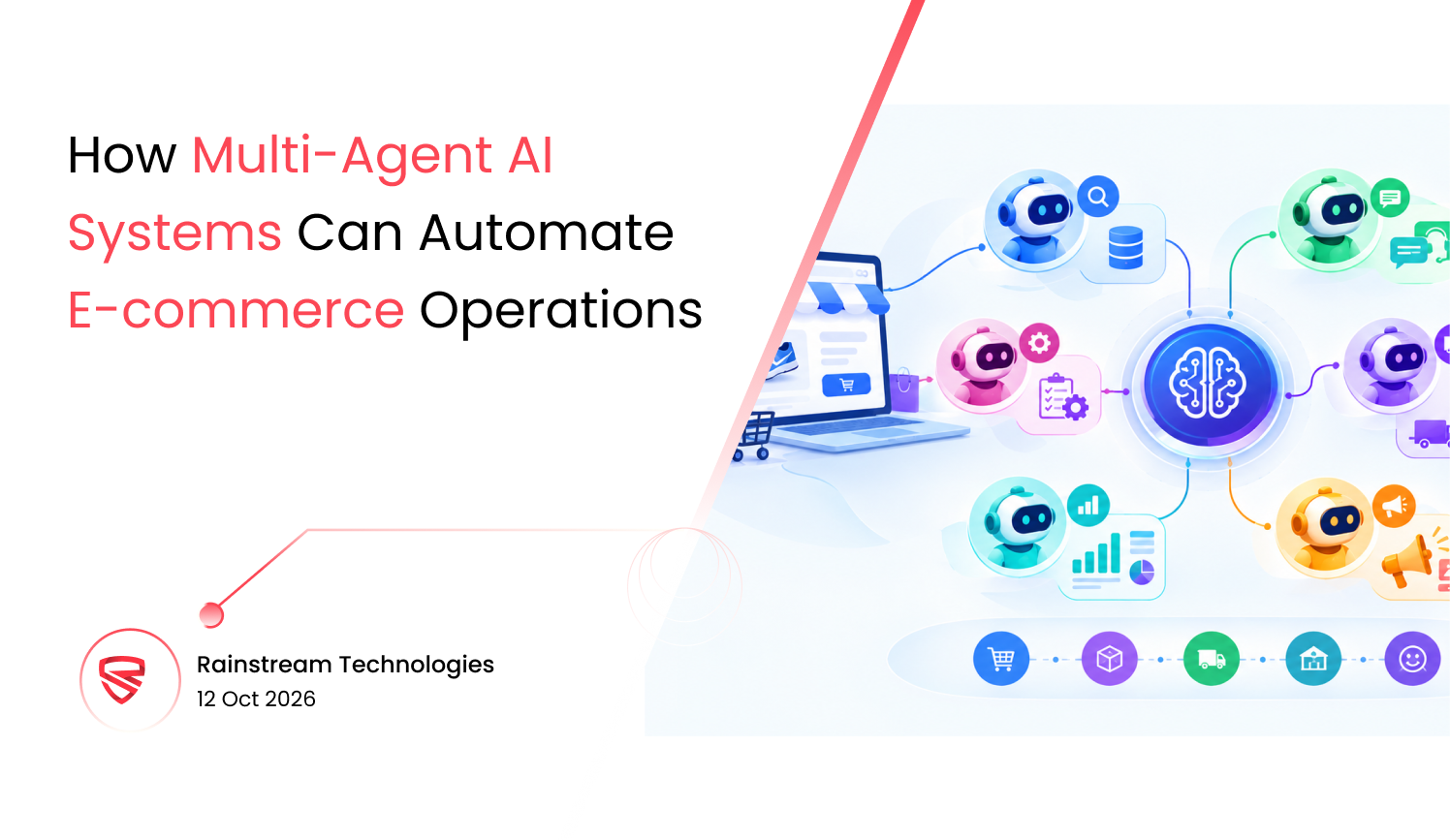
How Multi-Agent AI Systems Can Automate E-commerce Operations
Learn More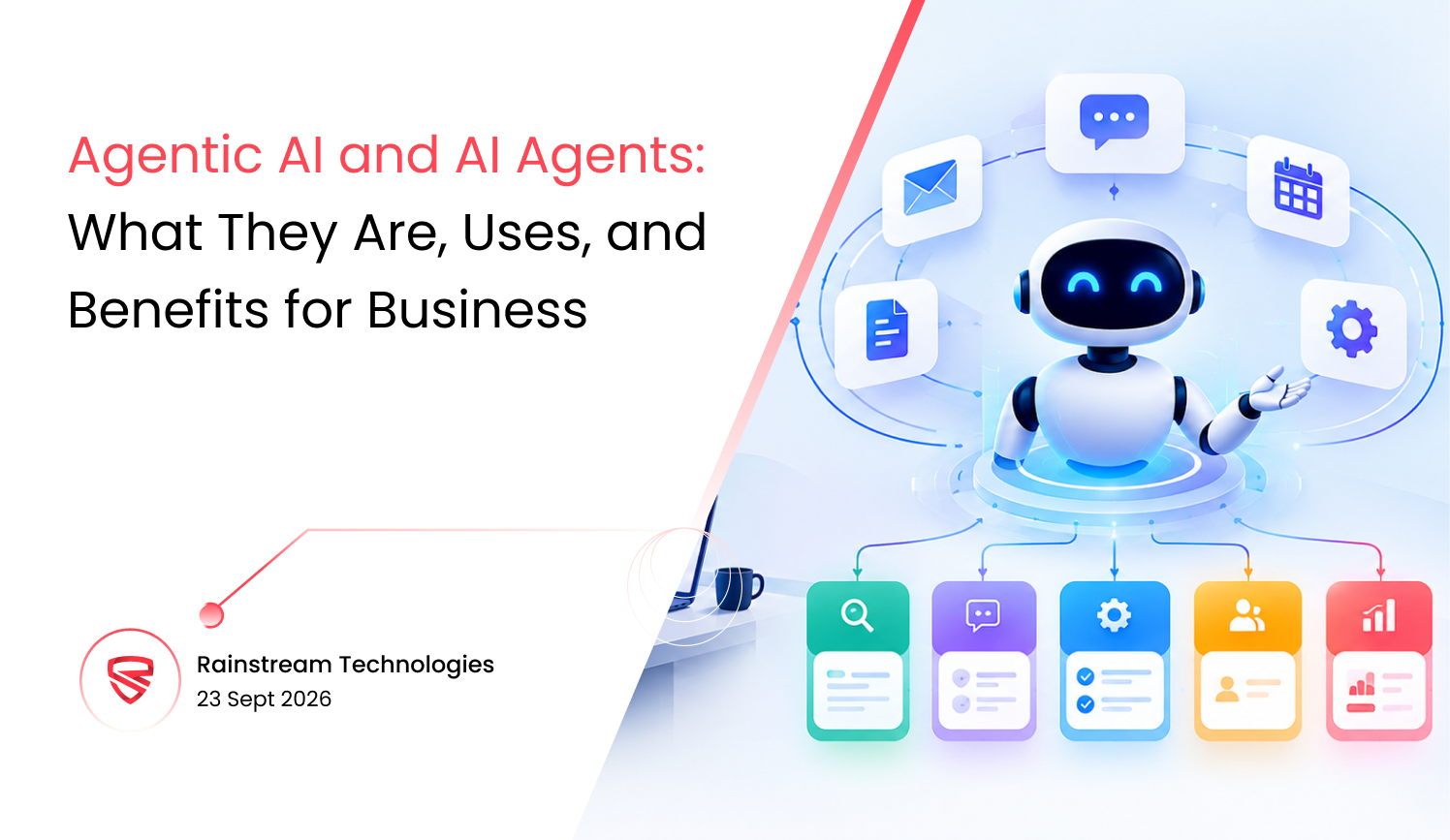
Agentic AI vs AI Agents: Differences, Use Cases, and Business Benefits
Learn More
How to Hire an AI Agent Development Agency: A Buyer’s Checklist
Learn More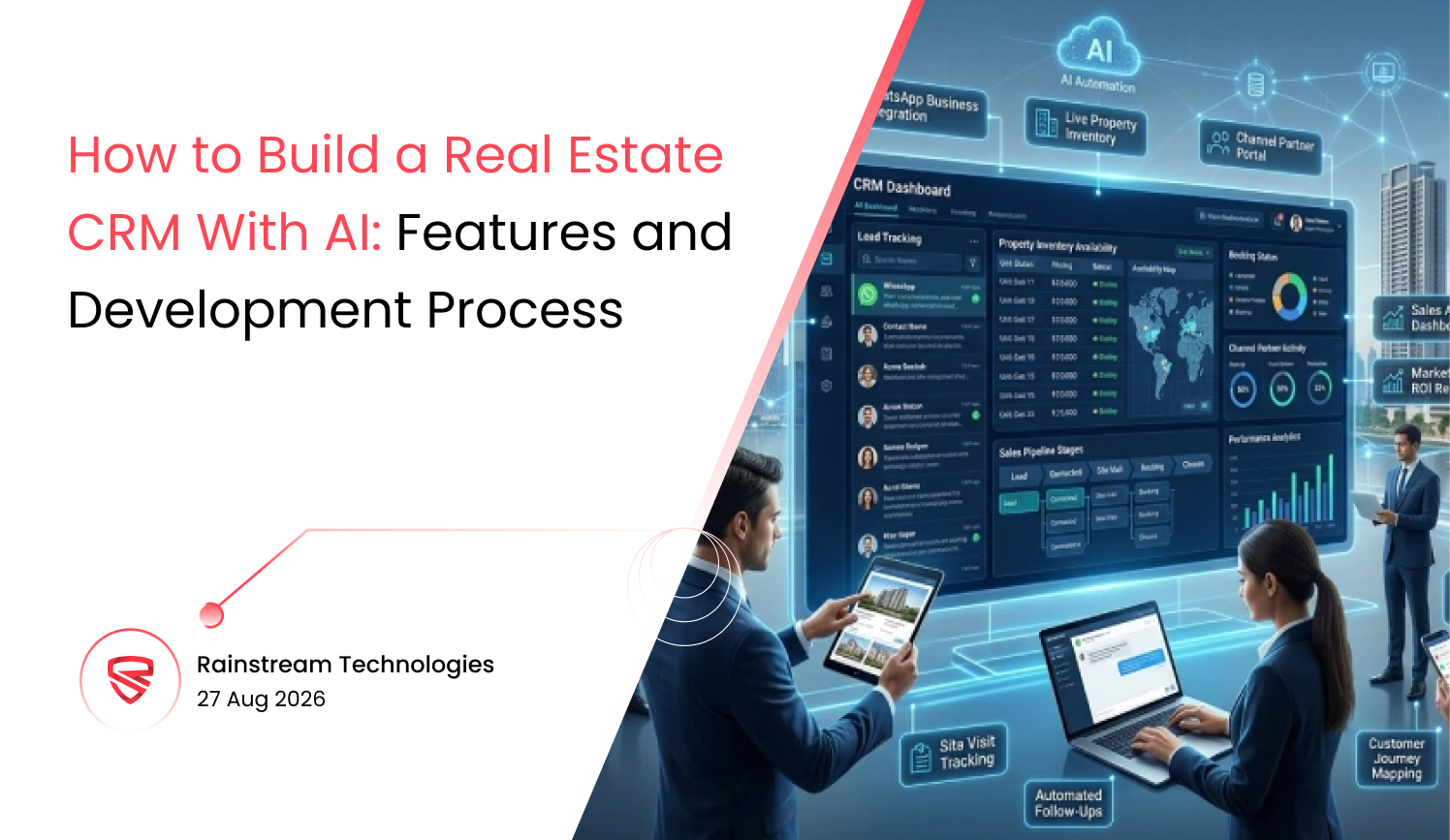
How to Build a Real Estate CRM With AI: Features and Development Process
Learn MoreLet’s turn your vision into an AI-powered growth engine.
Aarya
 Contact Us